Atopic eczema in children: Gentle daily care and good habits
Atopic eczema in children requires a treatment plan from a doctor, but gentle everyday routines can help soothe dry skin. Get an overview of bathing, moisturisers, clothing, itching and signs that you should contact your doctor.
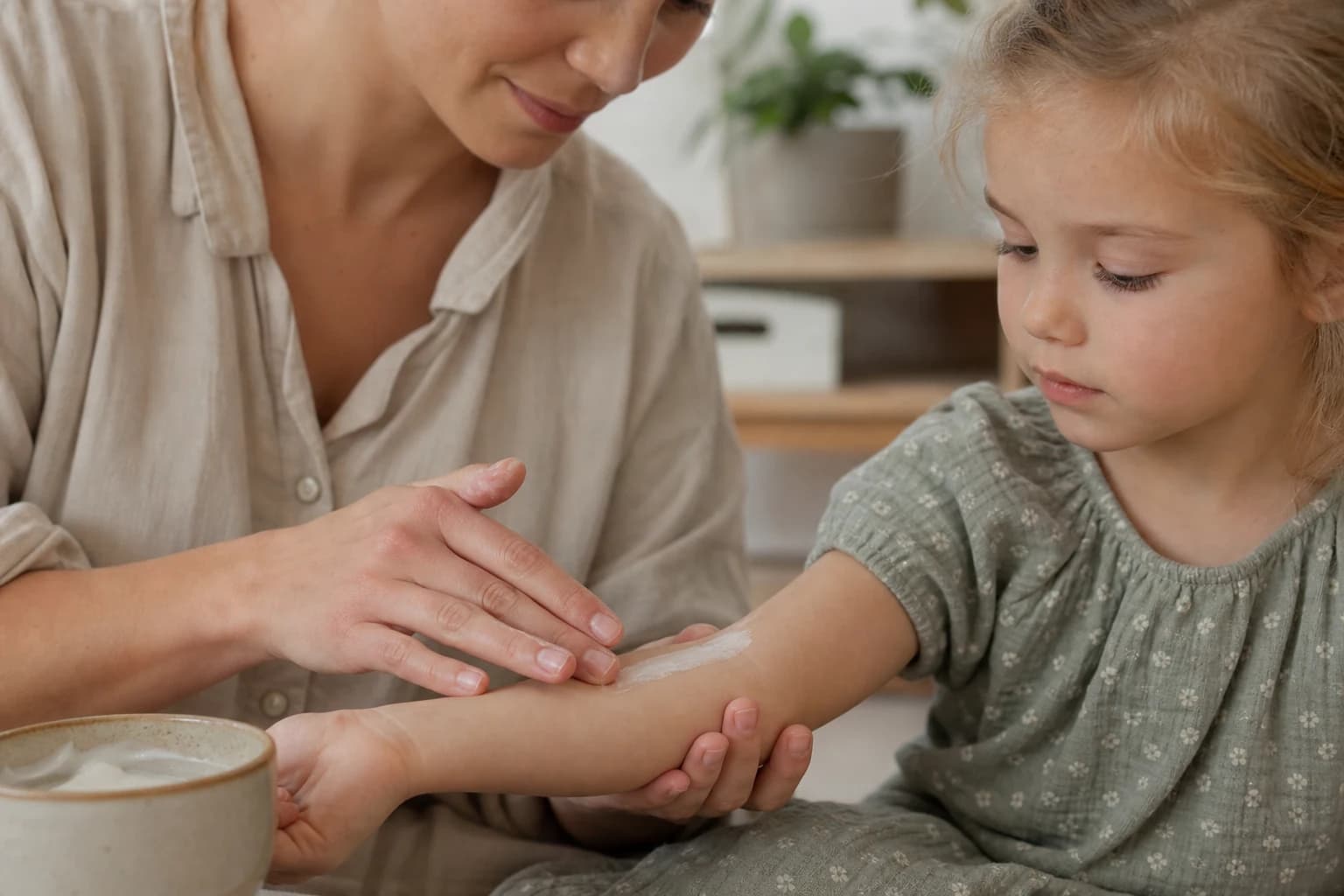
Atopic eczema in children often presents as dry, itchy and irritated skin. The condition is also known as childhood eczema or asthma-related eczema. It must be assessed and treated in consultation with a doctor, but daily skincare as part of the treatment is vital for the child’s comfort. Here is a straightforward, practical guide for everyday life.
What is atopic eczema in children?
Atopic eczema is a skin condition in which the skin’s barrier does not function as normal. The skin loses moisture more easily and reacts more readily to irritation. Typical signs include dryness, itching, redness and periods of flare-ups. In children with darker skin, redness may be less visible, whilst dryness, thickening and changes in skin colour are more prominent.
The location often changes with age. Young children may, for example, experience changes on their cheeks and the inner sides of their arms, whilst older children are often affected in the crooks of their elbows and the backs of their knees. The Patient Handbook on sundhed.dk provides a professional overview of symptoms and the course of the condition.
Skincare complements treatment but does not replace it
Moisturiser is an important part of basic skincare, but an active eczema flare-up may require prescription treatment. Follow the plan you have agreed with your doctor, and do not use cosmetic products as a substitute for medication.
ByLykke’s creams and lotions are cosmetic skincare products for dry and sensitive skin. They do not treat atopic eczema. If you wish to try a new skincare product alongside your doctor’s treatment plan, it is sensible to introduce one product at a time and stop using it if your skin reacts.
In the case of atopic eczema in children, cosmetic care should therefore be seen as support for the skin between treatments, never as a substitute for the agreed treatment.
Bathing children with atopic eczema
A bath doesn’t need to be long to be a pleasant routine:
- Use lukewarm rather than very hot water.
- Keep the bath short and calm.
- Use cleansing products only where necessary, and choose mild, fragrance-free options.
- Pat the skin dry rather than rubbing it.
- Apply cream shortly after the bath, whilst the skin still feels slightly damp.
If the water stings severely, or the skin is very cracked and weeping, you should speak to your doctor about how to adapt bathing and skincare routines.
How to make applying cream easier
Some children find cream cold, sticky or uncomfortable. Small adjustments can help:
- Do it at the same time every day so the routine is predictable.
- Warm a small amount of cream between your hands first.
- Apply with gentle strokes without rubbing too hard.
- Let older children help with the areas they can reach themselves.
- Choose soft, loose-fitting clothes afterwards.
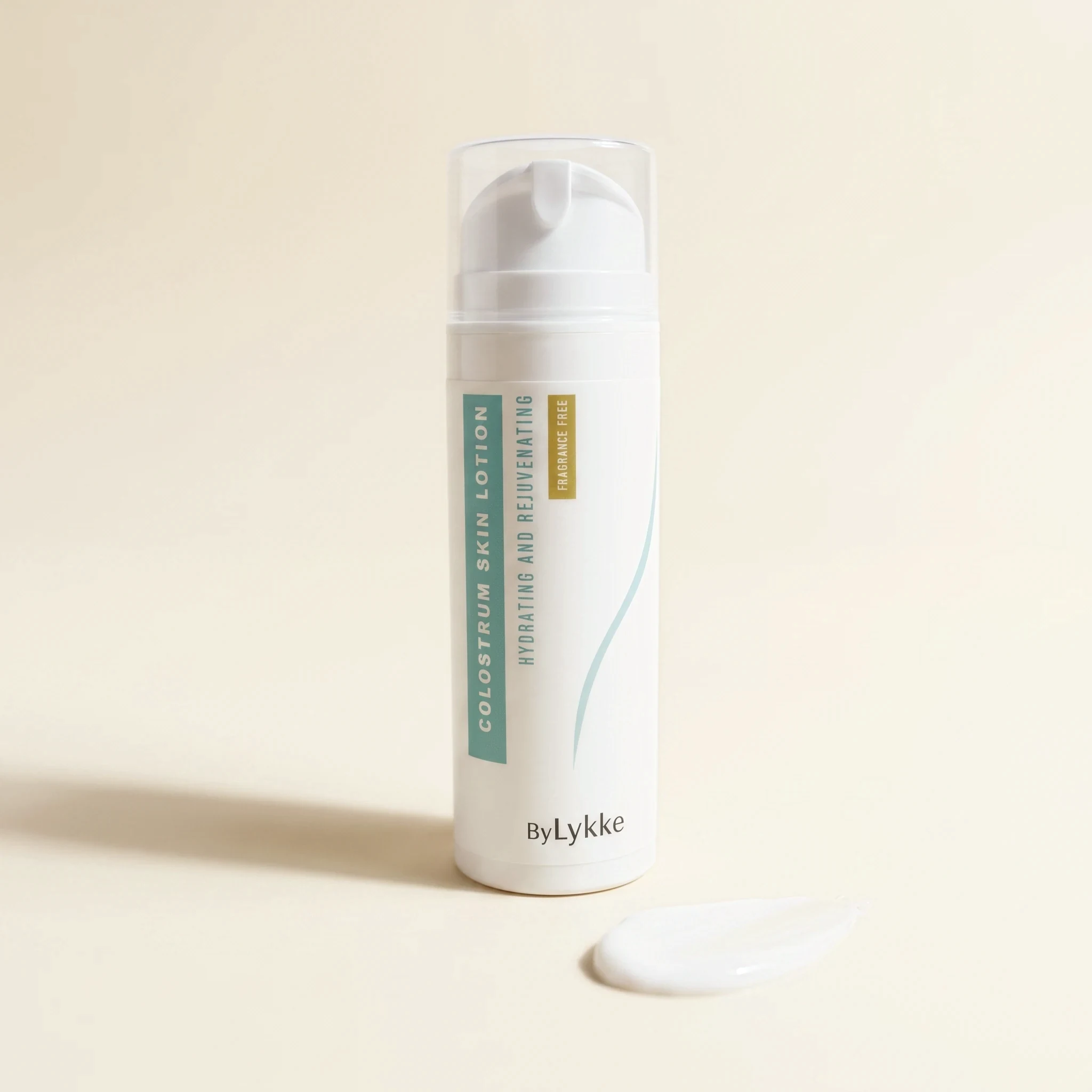
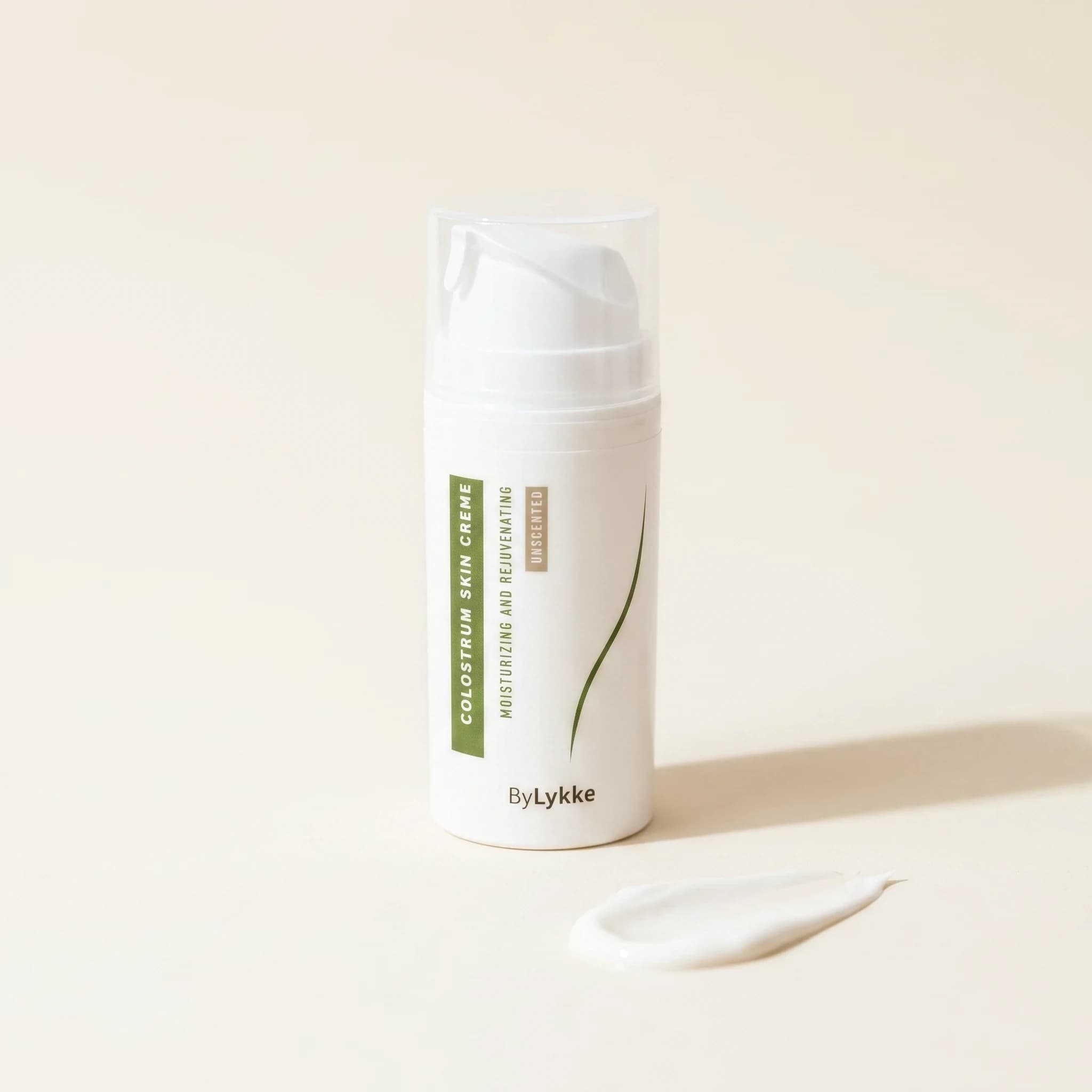
For larger areas of skin, a light, fragrance-free lotion can be practical, whilst a richer cream may feel soothing on very dry areas. See, for example, ByLykke Colostrum Skin Lotion and ByLykke Cream as cosmetic skincare options, not as a treatment for eczema.
Clothing, heat and itching
Heat and sweat can make itching worse for some people. Therefore, dress your child in layers that are easy to take off. Soft fabrics often feel more comfortable than rough wool against the skin. Wash new clothes before use, and avoid perfumed fabric conditioners if your child reacts to them.
Keep their nails short and smooth. At night, a cool bedroom and soft nightwear can reduce the heat that may trigger itching. If sleep problems persist, the treatment should be reassessed by a doctor.
Is atopic eczema the same as an allergy?
No. Atopic eczema is not automatically a sign of a food allergy. Therefore, do not exclude important foods from your child’s diet without a specific assessment by a doctor or clinical dietitian. Unnecessary diets can make it harder to meet your child’s nutritional needs.
However, a child with atopic eczema may also have an allergy or develop contact eczema. If a particular product consistently causes a reaction, stop using it and take the product name and list of ingredients to the doctor.
When should you contact your doctor?
See your doctor if the eczema does not improve following the agreed treatment, if the itching is disrupting sleep, or if you are unsure about the diagnosis. Contact your doctor immediately if:
- a sudden worsening of symptoms accompanied by pain
- weeping skin, yellowish scabs or signs of infection
- numerous uniform blisters or small sores
- a fever or a deterioration in your general condition
- a rash close to the eyes
If your child has difficulty breathing or a rapidly worsening severe allergic reaction, you must call 112.
Frequently asked questions
Can atopic eczema be cured with cream?
The condition cannot be cured by a cosmetic cream. Treatment prescribed by a doctor can bring the condition under control, and daily moisturising supports the skin barrier.
How often should the child be moisturised?
Follow the doctor’s specific plan. Sundhed.dk describes regular moisturising as a key part of basic treatment.
Do all products need to be fragrance-free?
Fragrance-free products reduce unnecessary exposure to scents and are often a sensible choice for sensitive skin. ‘Natural’ or ‘organic’ does not automatically mean that a product cannot cause irritation or an allergic reaction.
Can a child outgrow atopic eczema?
Many people find that symptoms become milder with age, but the course of the condition varies from person to person.
*This article provides general information and is not a substitute for a medical examination or treatment plan from a doctor.*
Products that suit this article