Sensitive facial skin: Causes, signs and gentle care
Facial skin that feels tight, warm, itchy or delicate can have many causes. Get the full overview of signs and triggers, and see how a mild, fragrance-free routine can make everyday life more pleasant.
Your skin is the body's largest organ and your first protection against the outside world. For some people the facial skin is extra sensitive and reacts easily with tightness, warmth, redness or a slight sting. This is very common, and for most people it is not about a disease, but about skin that needs a gentler approach. This guide goes through what characterises sensitive skin, which things typically trigger reactions, and how you can put together a simple, gentle routine.
Important: If you experience persistent redness, pain or skin changes that do not go away, you should always have it assessed by your doctor or a dermatologist. This article is informational and does not replace a professional assessment.
How does sensitive skin feel?
Sensitive skin shows itself differently from person to person, but some signs recur:
- A tight or dry sensation, especially after washing
- Redness that comes and goes, often on the cheeks and nose
- A slight sting or tingle when using certain products
- Skin that reacts quickly to weather, heat or new creams
Knowing your own signals makes it easier to work out what the skin likes and what it would rather avoid.
What can make facial skin sensitive?
The skin barrier is strained The outermost layer of the skin has a protective barrier of fats and skin cells. When it is weakened, for example by harsh soap, excessive cleansing or cold and windy weather, the skin loses moisture more easily and becomes more susceptible to irritation.
Products and ingredients Fragrance, essential oils, alcohol and strong active substances (such as powerful acids) are among the most common reasons that delicate skin reacts. The more products at once, the harder it is to work out what the skin cannot tolerate.
Underlying skin conditions Persistent redness and sensitivity can also be linked to skin conditions such as rosacea or a contact allergy. It is your doctor who can make a diagnosis if you suspect this.
Typical things that can trigger a reaction
Many people with sensitive skin notice that certain things make it worse. The most common triggers are:
- Hot drinks and spicy food
- Alcohol
- Sun, cold wind and sudden temperature changes
- New or strong skincare products
- Stress and too little sleep
It can help to keep a small log of when the skin reacts, so you gradually learn your own patterns.
A gentle everyday routine for sensitive skin
Sensitive skin generally does best with few, mild steps. The principle is to cleanse gently and hold on to moisture well:
- Cleanse mildly morning and evening with a fragrance-free product and lukewarm water.
- Pat the skin dry with a soft towel rather than rubbing.
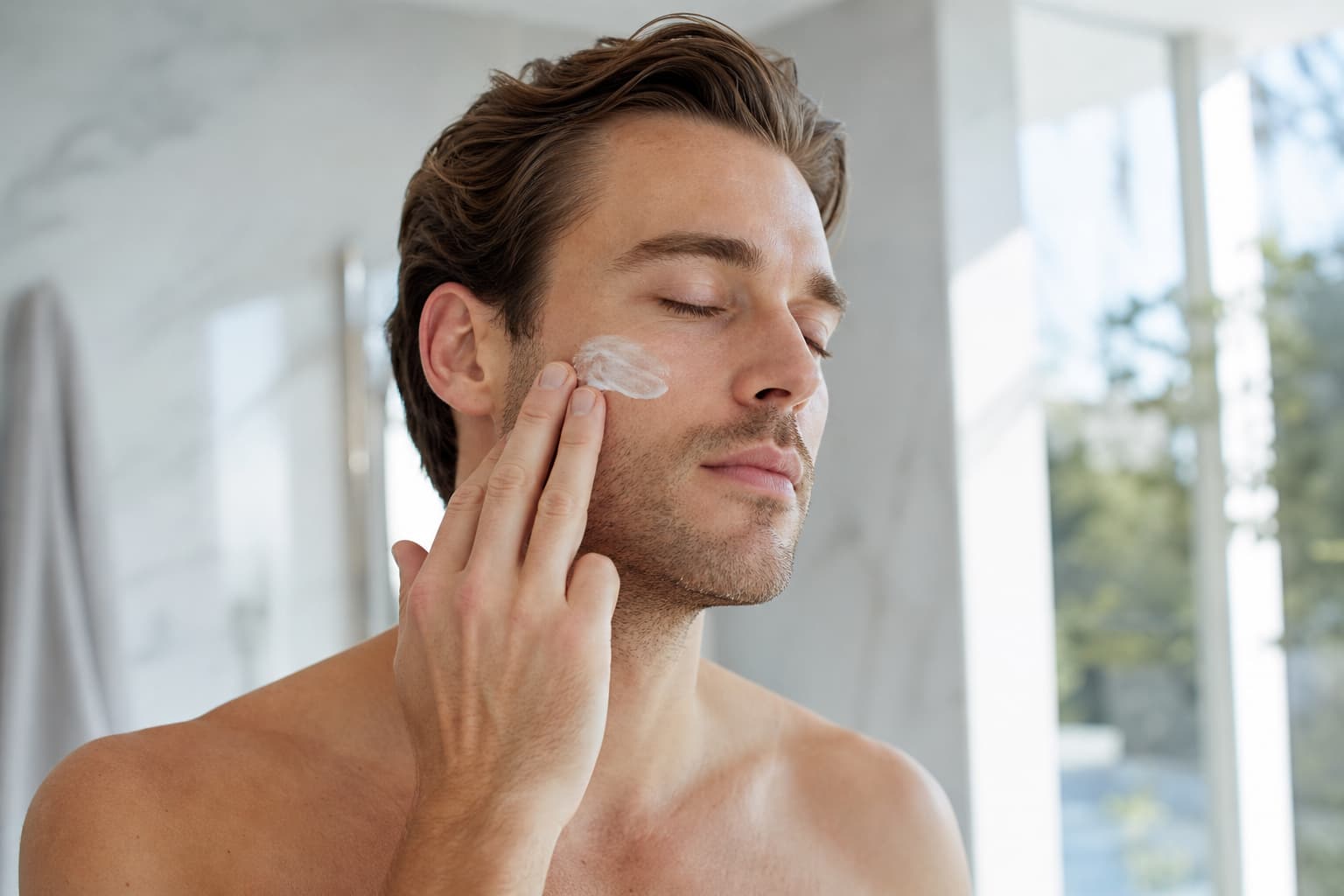
- Add moisture with a fragrance-free cream while the skin is still slightly damp.
- Spare the skin from scrubs and too many active products at once.
When you want to try something new, introduce one product at a time and give the skin a couple of weeks, so you can feel how it reacts.
Products for sensitive skin
Sensitive skin generally thrives with fragrance-free, mild products that provide moisture without unnecessary additives:
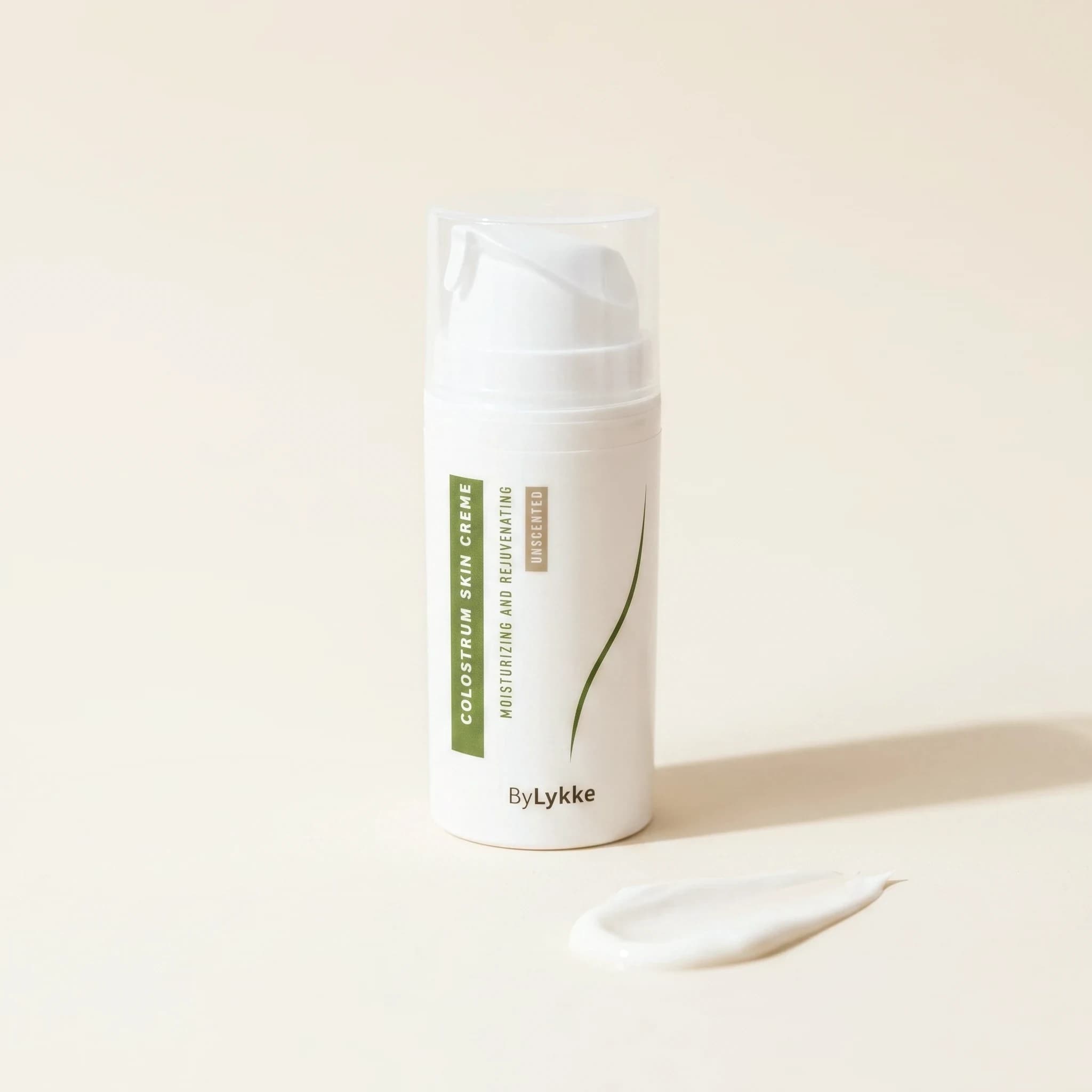
- ByLykke Colostrum Creme for dry skin that wants moisture and nourishment.
- ByLykke Skin Repair for oily or combination skin that wants moisture without feeling heavy.
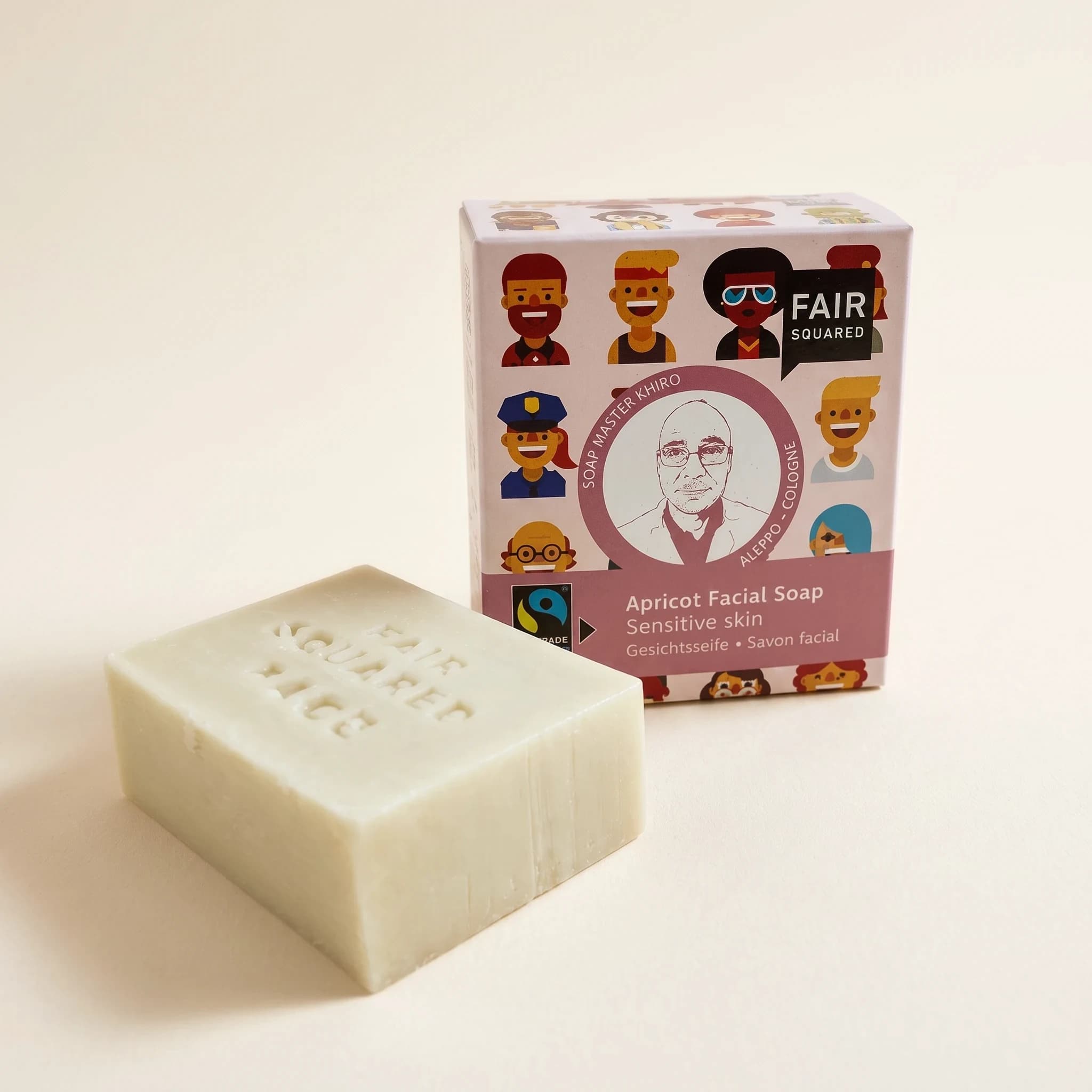
- ByLykke Facial Soap for sensitive skin a mild, fragrance-free cleanse.
The products are based on Colostrum Complex and natural oils and are fragrance-free, a gentle choice for delicate skin.
Frequently asked questions
What is the difference between dry skin and sensitive skin?
Dry skin lacks moisture and fat, while sensitive skin reacts easily to influences. The two can occur together, and both benefit from a mild, moisturising routine.
Can sensitive skin improve over time?
For many people the sensitivity varies with the seasons, routine and lifestyle. A gentle, stable routine and fewer triggers can make everyday life more pleasant, but if you are in doubt about the cause, ask your doctor.
Should I avoid makeup entirely?
No, but do choose fragrance-free, mild products, and remove makeup gently in the evening.
When should you see a doctor?
Contact your doctor or a dermatologist if the problems do not go away, you experience pain, or you suspect a skin condition such as rosacea or an allergy. Only a doctor can make a diagnosis and advise on any treatment.
Note: ByLykke's products are cosmetic skincare, not medicines. They are not intended to treat, relieve or prevent disease.
Products that suit this article