Magnesium for skin and body: Bath, oil and differences in salt
A magnesium bath, foot bath or magnesium oil is a pleasant part of many self-care routines. Learn the difference between Epsom salt and magnesium chloride, what magnesium contributes to, and get the recipe for homemade magnesium oil.
Magnesium baths, foot baths and magnesium oil have become a fixed part of many people's self-care routine, especially in the evening, when you want to wind down. In this guide we look at the different ways of using magnesium on the skin, the difference between Epsom salt and magnesium chloride, and what magnesium, according to the official EU-approved information, contributes to. You will also find a simple recipe for homemade magnesium oil at the bottom.
What does magnesium contribute to?
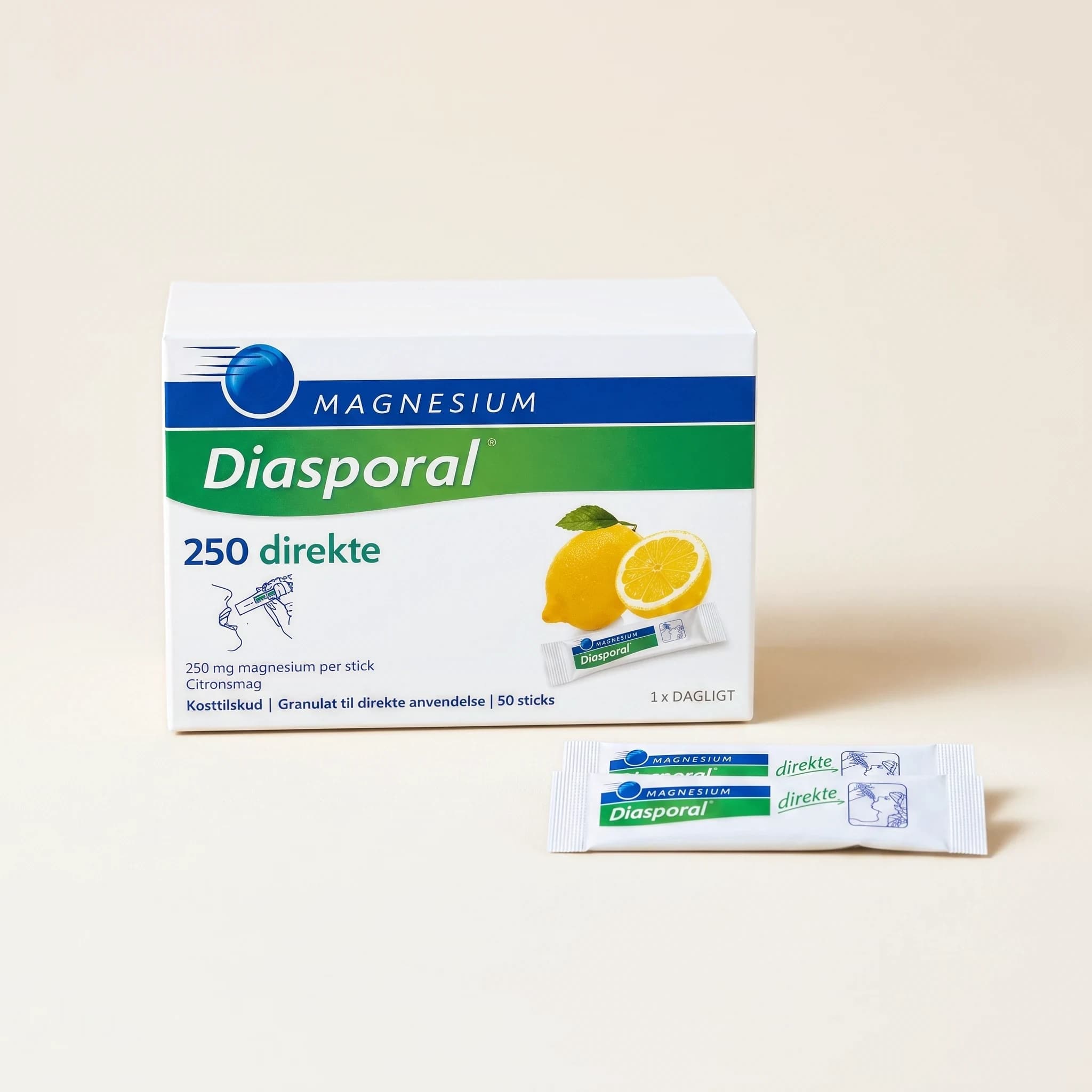
Magnesium is a mineral the body needs. According to the EU-approved nutrition and health claims, magnesium contributes, among other things, to normal muscle function, to the normal function of the nervous system and to the reduction of tiredness and fatigue. This leads many to take magnesium as a supplement or to use it as part of a calm evening routine. Note that a magnesium bath is a pleasant care routine, not a treatment.
Magnesium oil or bath?
You can use magnesium on the skin in several ways:
- Magnesium bath: Add magnesium salt to the bath water and relax.
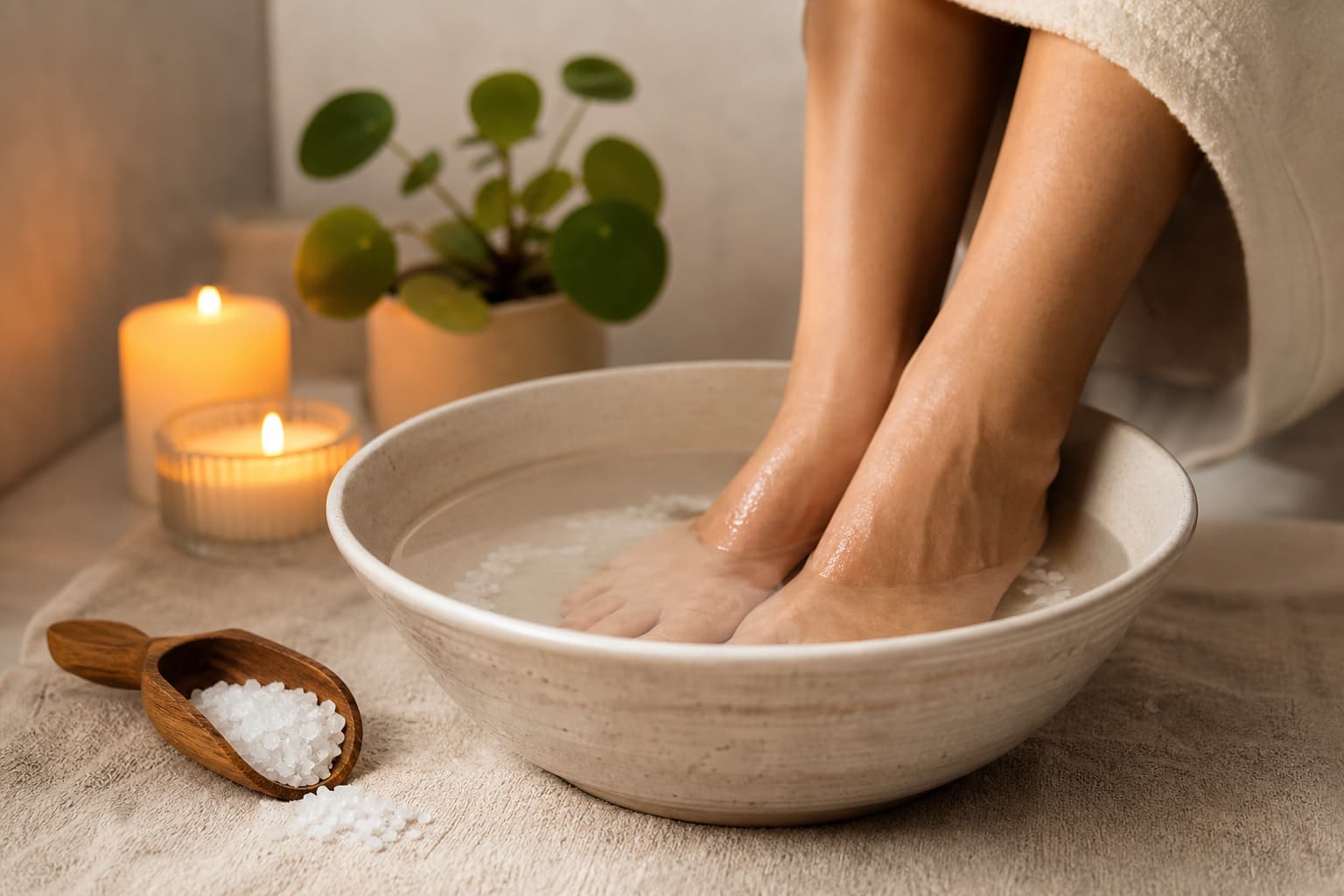
- Foot bath: If you have no bathtub, a foot bath can be an easy alternative. Scoop the solution up your legs with your hands.
- Magnesium oil: Apply it to the skin, preferably after the bath or before bedtime.
Magnesium bath and delicate skin
If you have delicate skin, eczema or psoriasis, let the bath water be lukewarm rather than hot, and keep an eye on how the skin reacts to the salt water. It can be pleasant to add a little oil or glycerine to the bath water, so the skin does not feel so dry afterwards. If you are in doubt, or have a skin condition, ask your doctor for advice.
A calm evening routine
Many use a magnesium bath or oil as part of a relaxing evening routine. You can, for example, take a foot bath about an hour before bedtime or apply magnesium oil or lotion to the lower legs, shoulders and neck. For some it becomes a small fixed ritual that signals the day is coming to an end.
Epsom salt or magnesium chloride?
The two most common types of magnesium salt are not quite the same:
- Epsom salt is magnesium sulfate. It is cheap, easy to get hold of and popular for relaxing tub baths.
- Magnesium chloride has a high bioavailability, which means the magnesium is readily available. It is often the first choice if you want to use magnesium on the skin regularly.
Whatever you choose, it is a good idea to drink plenty of water and apply a good cream after the bath, so the skin retains moisture.
Care after the bath with ByLykke
After a magnesium bath you can benefit from applying ByLykke Lotion or Creme. The products contain Colostrum Complex and organic oils that give the skin moisture and a soft, well-cared-for feel, a pleasant finish after the bath.
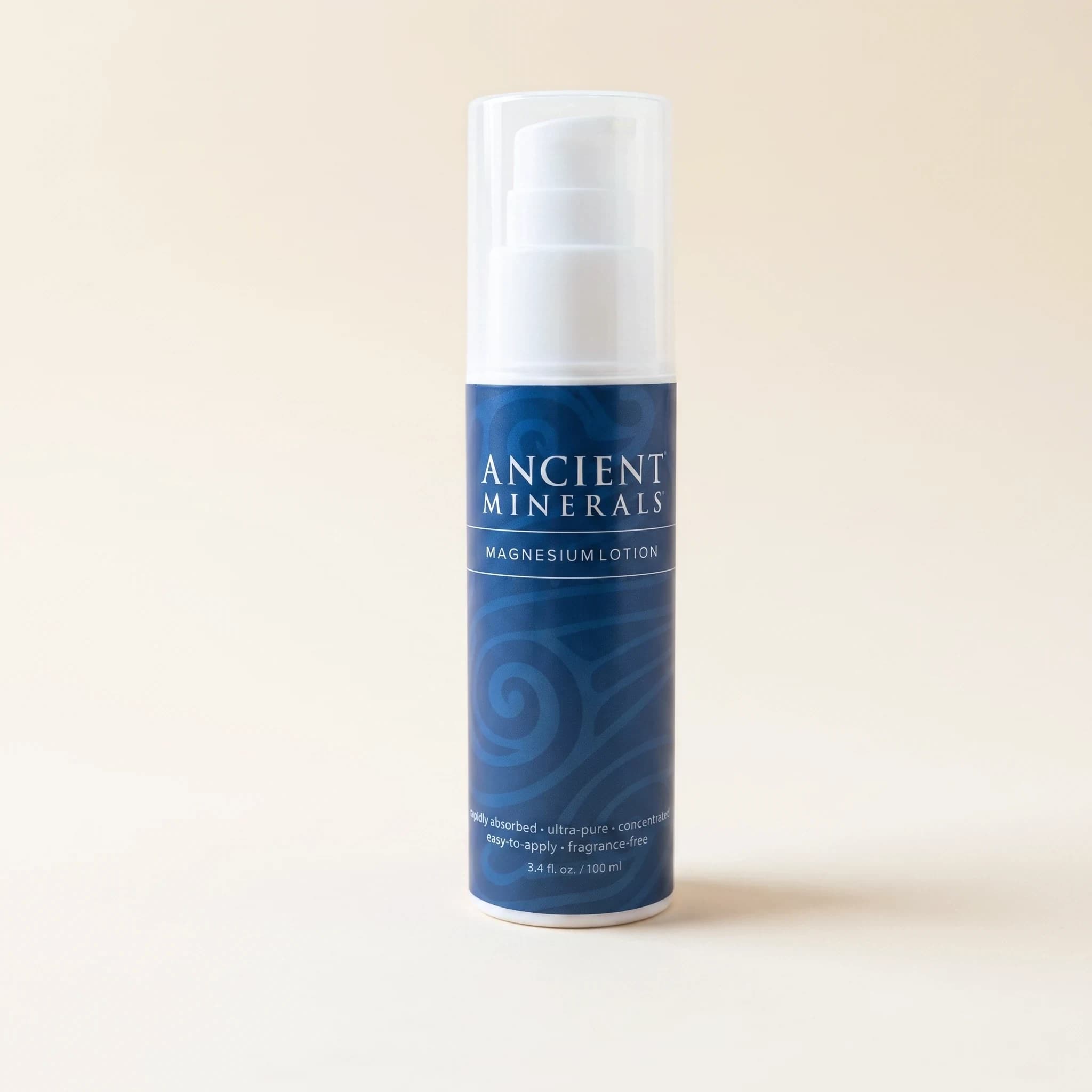
ByLykke Ancient Minerals Lotion combines oils and magnesium chloride in one. It is fragrance-free and can be used by the whole family, an easy and convenient choice if you want magnesium and care together. The magnesium chloride is extracted from Zechstein deposits deep below the sea surface and is for external use only, it must not be drunk.
Recipe: Homemade magnesium oil
If you want to make your own magnesium oil, the recipe is simple:
- Use equal parts magnesium salt and distilled water, measured cup by cup.
- Bring the water to the boil, and pour it over the flakes in a cleaned glass bowl or a measuring jug with a spout.
- Stir until the salt is fully dissolved, and let it cool down.
- Fill the solution into a clean container, preferably with a spray function.
The solution feels oily, hence the name "magnesium oil". If you use tap water instead of distilled water, the shelf life is shortened. With distilled water and good hygiene it keeps up to 6 months.
Frequently asked questions
How long should you stay in a magnesium bath?
Many enjoy 20 to 30 minutes, but do what feels pleasant to you.
Can children use a magnesium bath?
Choose products that are suitable for children, use a mild dosage, and ask your doctor if you are in doubt.
Is magnesium oil the same as ordinary oil?
No. "Magnesium oil" is a saturated solution of magnesium salt in water that simply feels oily, it does not contain fat.
*Supplements should not replace a varied diet and a healthy lifestyle. Do not exceed the recommended daily dose. If you have an illness or take medication, talk to your doctor.*
Products that suit this article