
What is glutathione? Form, content and labelling explained
Glutathione occurs naturally in the body and is also sold as a dietary supplement. Get a straightforward explanation of the substance, the difference between the standard and liposomal forms, and what you should look for on the label.
Glutathione is a substance produced naturally by the body and plays a part in many of the body’s normal cellular processes. The name is increasingly appearing on dietary supplements, often alongside words such as ‘reduced’ or ‘liposomal’. But what do these terms actually mean, and what can you reasonably infer from the label? Here is a no-nonsense guide, with no promises of treatment or miracle cures.
What is glutathione?
Glutathione, often abbreviated to GSH, is a small molecule made up of three amino acids: glutamate, cysteine and glycine. The body produces it naturally. It is found in cells in a reduced form, GSH, and an oxidised form, GSSG. The conversion between the two forms is part of the body’s normal redox chemistry.
Glutathione is often referred to as an antioxidant. This does not mean that a dietary supplement automatically prevents disease or produces a specific, visible effect. It is important to distinguish between the substance’s biological role in the body and the evidence available for a specific product taken orally.
A scientific review describes both the body’s own production of glutathione and the uncertainty surrounding the absorption of standard oral glutathione. You can read the review at PubMed Central.
Glutathion or glutathione?
The two words refer to the same substance. ‘Glutathione’ is the English and international spelling, whilst ‘glutathion’ is often used in Danish. On a label, you may also come across the abbreviation GSH.
If it says “reduced glutathione” or “reduceret glutathion”, this refers to the GSH form. This is a chemical description, not in itself proof of a specific health benefit.
What does ‘liposomal glutathione’ mean?
‘Liposomal’ describes the delivery form. The substance is enclosed within, or combined with, small fat-based structures called liposomes. The aim is to protect the contents and influence how they are processed during digestion.
Small human studies have investigated absorption and blood levels following liposomal formulations, but results from small or product-specific studies cannot be readily extrapolated to all products or to specific health effects. ‘Liposomal’ therefore primarily refers to the form of the product. See also our basic guide on what liposomes are.
How to read the label
Look for this information when comparing products:
- Amount per recommended daily dose: Compare the actual daily dose, not just the total contents of the bottle.
- Form: Does it say standard, reduced or liposomal form?
- Ingredients list: Check for sweeteners, flavourings, preservatives and any allergens.
- Dosage and storage: Liquid products may have specific requirements once opened.
- Warnings: Always follow the product’s age restrictions and safety instructions.
At ByLykke, we stock both unflavoured liposomal glutathione and flavoured liposomal glutathione. The product description and label are the right places to check the dosage and ingredients.
What cannot be concluded from the label?
Terms such as ‘antioxidant’, ‘liposomal’ or ‘reduced’ do not guarantee that a product will treat fatigue, skin problems, infections or other illnesses. Dietary supplements must not be marketed as a means of preventing or treating disease, and health claims must be approved and used under the correct conditions. The Danish Veterinary and Food Administration explains the rules here.
Nor can a dietary supplement replace a varied diet. The body obtains the building blocks for its own glutathione production through a normal diet, including protein-rich foods.
Who should consult a healthcare professional first?
Speak to your doctor or pharmacist before starting a new dietary supplement if you are pregnant or breastfeeding, are taking medication, have a chronic illness or are due to undergo surgery. The same applies if the supplement is intended for a child.
Frequently asked questions about glutathione
Are glutathion and glutathione the same thing?
Yes. They are two different spellings of the same substance. GSH is the common abbreviation for the reduced form.
Is the liposomal form always better?
‘Liposomal’ describes a specific formulation. There are some interesting small-scale studies, but the quality, dosage and specific formulation vary. The term alone does not prove any health benefit.
Can you get glutathione from food?
Foods may contain the substance and the amino acids that the body uses as building blocks. The body’s own regulatory mechanisms are complex, so a high content in a food cannot be directly translated into a specific level in the body.
Can the supplement replace a varied diet?
No. Dietary supplements are just that – supplements – and should always be taken in accordance with the recommended dose.
*This article provides general information and is not medical advice. Dietary supplements should not replace a varied diet and a healthy lifestyle.*
Products that suit this article
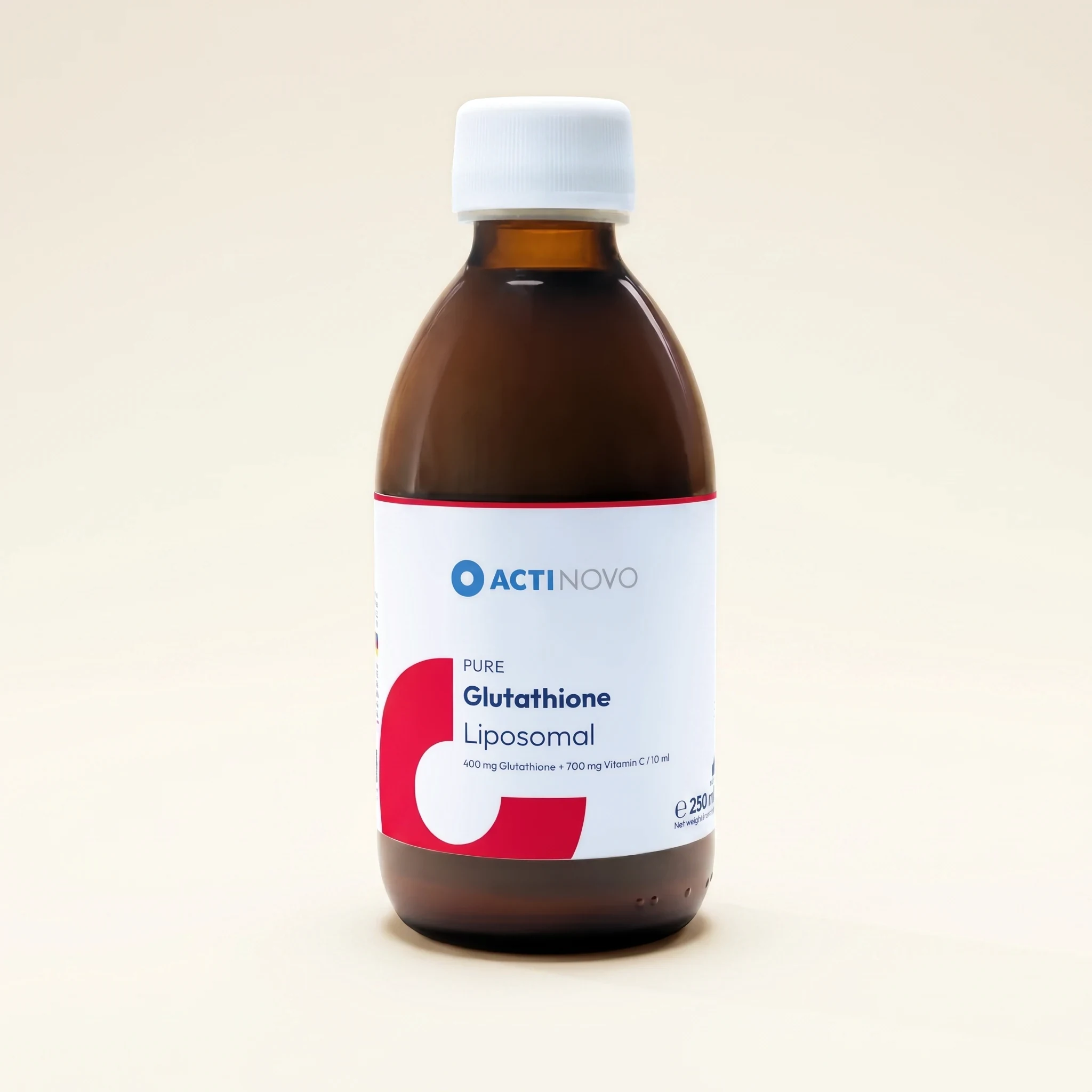
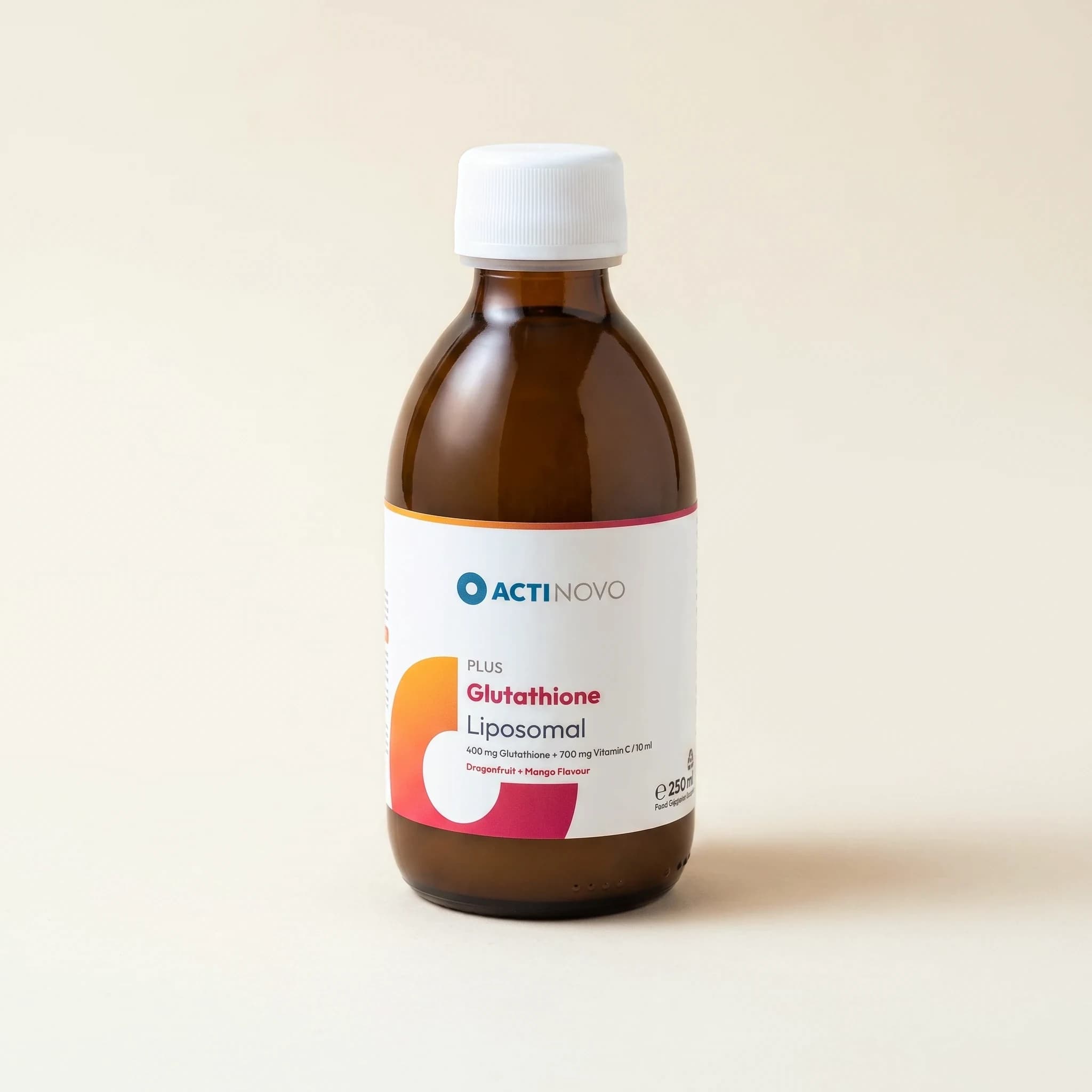
Glutathione Flavoured, Liposomal, 250 ml
Glutathione and vitamin C with mango and dragon fruit